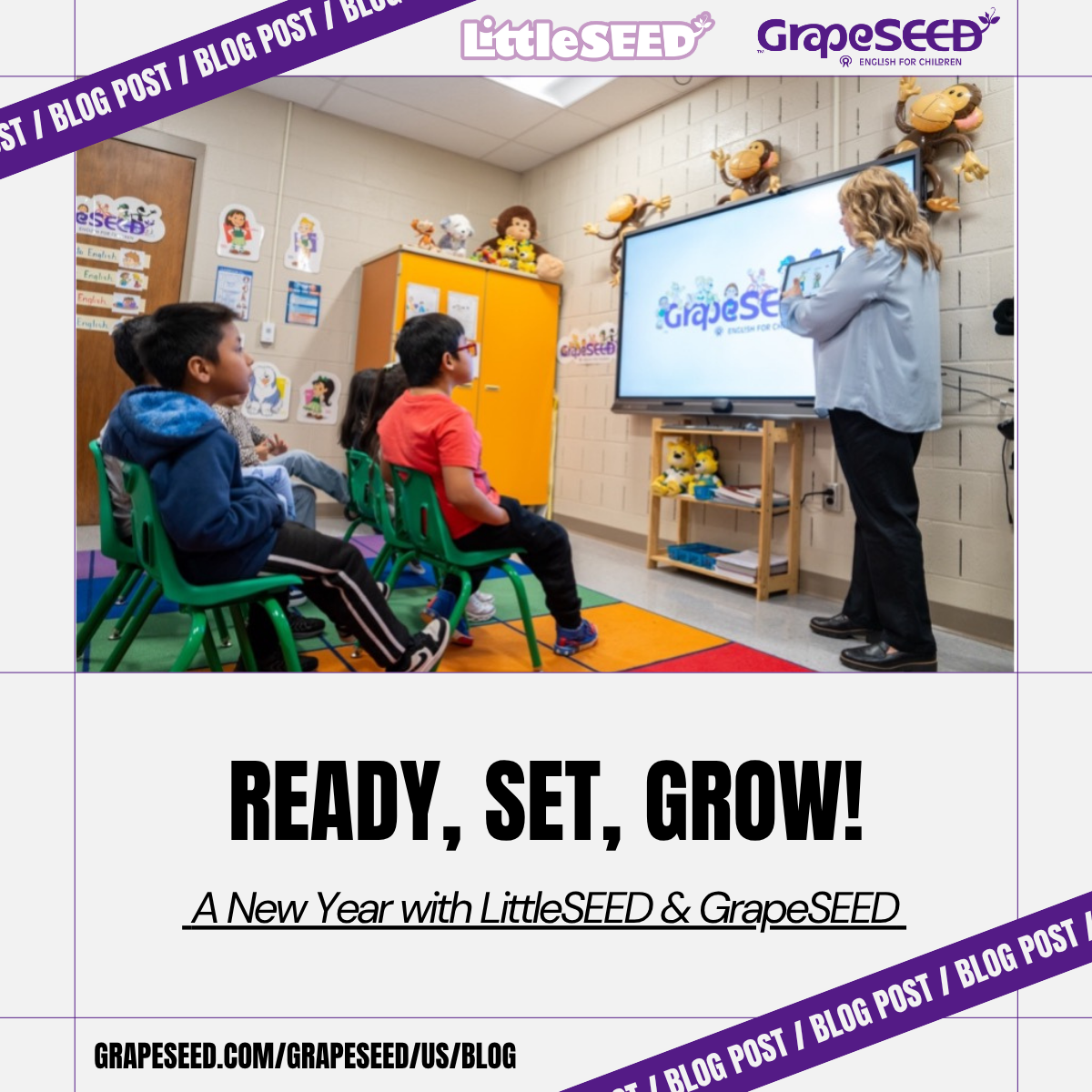

The Value of Chatter in the Preschool Classroom

February 2nd, 2026

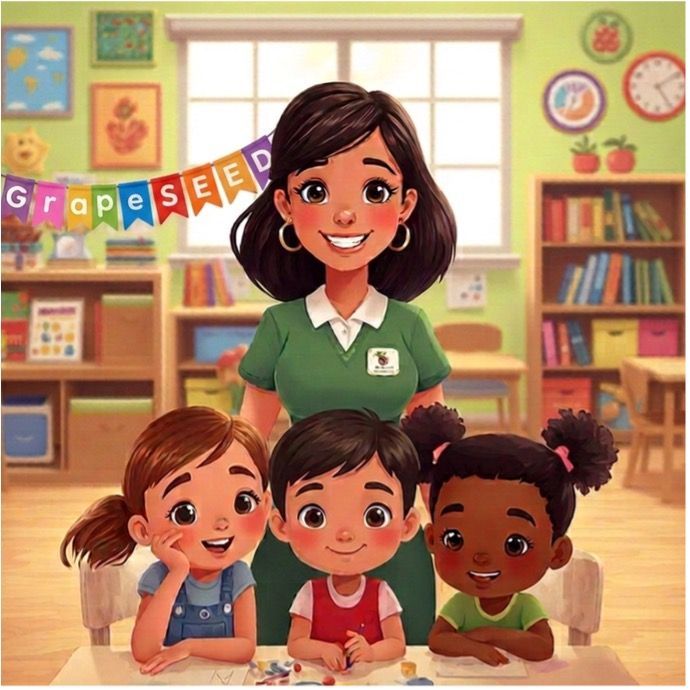
Have you ever been to a preschool classroom and heard nothing but the sound of crickets? If so, you probably left feeling like something was missing. That something is chatter—the sweet sound of little voices discussing their ideas and exploring the world around them. Chatter can be just as important for learning as books, pencils, and puzzles. Let’s take a look at why preschoolers need opportunities to engage in oral language.

Oral language is the foundation for learning. It helps little ones learn how to communicate with others, think critically, and understand new concepts. Through conversations with adults and peers, preschoolers have the opportunity to practice using new words while also expanding their knowledge base. They can learn about topics that interest them while also developing their ability to express themselves through speaking and listening.

Oral language also provides preschoolers with an outlet for creativity and problem-solving. By having conversations with others, they can explore relationships between different topics, share their ideas, ask questions, test out hypotheses—all without having to write down or draw out those ideas first! This type of creative thinking encourages kids to come up with unique solutions based on their own interests and experiences.

At the end of the day oral language helps foster development among preschoolers by laying the foundation for all things literacy related and by providing them with an avenue for expressing themselves in a meaningful way. As children talk through conflicts or brainstorm solutions together, they learn how to interact effectively with others and collaborate on projects as part of a group. Conversations give kids the chance to practice politeness and respect for one another, too – all skills that will serve them well throughout their lives, in the classroom and beyond!

Oral language is key for preschoolers throughout the United States because it provides them with essential life skills such as communication, critical thinking, problem-solving skills, creativity and social development! To ensure that your students are getting enough opportunities to engage in oral language activities each day make sure that you set aside time every day for talking!

Watch your preschoolers’ oral language flourish with GrapeSEED’s expertly created songs, stories, action activities, chants, big books and poems, and phonics components.
February 3, 2026
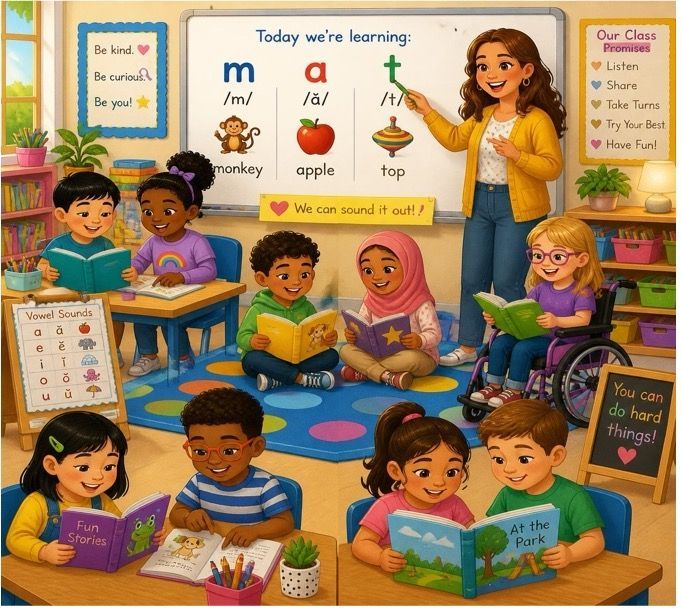
If you’re an elementary teacher working with multilingual learners, you already know your work is full of heart, hustle, and highlighters. But let’s be honest—supporting language learners takes a lot of energy. That’s why self-care isn’t a luxury. It’s a must. You’re juggling language development, academic growth, cultural connection, and emotional support. And while your students are growing every day, you need time to recharge, too. Here’s a quick self-care recipe to keep your cup full: ๐Ÿงก Smiles: Find Joy in the Little Things Celebrate the small wins: a new vocabulary word, a student’s laugh, a kind moment. Write one highlight on a sticky note each day. It’s a mood booster—and a reminder that you’re making a difference. ๐ŸŽ Snacks: Fuel Your Body (and Soul) Don’t skip lunch! Keep a stash of healthy snacks (and maybe a treat or two) nearby. Food is fuel, and sometimes chocolate is emotional first aid. ๐Ÿง  Sanity: Protect Your Peace Say no to that extra committee if you’re overwhelmed. Take 5 minutes to breathe or stretch between lessons. Step outside during a break of any kind, even for just a second or two. Talk to someone who “gets it”—sharing helps lighten the load. You Matter Your students need you AND they also need you to be okay. When you take care of yourself, you’re showing them how to care for themselves, too. So go ahead, teacher: smile, snack, and protect your sanity. You can’t do it all , but you CAN do a lot more when you’re well. At GrapeSEED English for Children, we value teachers and work to make certain that those using our curriculum feel supported. With a personal Professional Learning Specialist that teaches can communicate with anytime, a teacher portal, on-demand PDs and so much more, we’ve got our teachers covered! Ready to learn more about getting started with GrapeSEED in YOUR classroom? Just click here for more information.
January 20, 2026
January is the season of decluttering, but in schools, it’s about clearing space for what truly matters! This month’s blog explores how thoughtful organization supports multilingual learners and why strong language systems are worth keeping. A little clarity now can create momentum that lasts all year… and beyond!
December 11, 2025
The new year is a perfect time for reflection and renewal—not just for us, but for our students, too. After a long winter break, January offers a natural opportunity to revisit and reinforce classroom routines and procedures, especially in multilingual classrooms where clarity and consistency are key to helping all students feel secure and successful. For multilingual learners, routines are more than just classroom management—they provide language-rich structures that support understanding, reduce anxiety, and foster confidence. Whether students are newcomers or have been learning English for years, a clear and predictable environment helps them focus on learning rather than guessing what’s expected. Start the month by gently reviewing procedures: entering the classroom, transitioning between activities, participating in group work, asking for help, and using classroom materials. Model each step and invite students to demonstrate, using visuals, gestures, and multilingual supports when possible. Pair verbal directions with pictures or sentence stems to help students connect words with actions. This not only aids comprehension, it builds community and shared responsibility. Remember, reviewing routines isn’t about enforcing rules—it’s about resetting the tone for a peaceful, productive, and joyful classroom. Make space for students to share what helps them learn best and celebrate the positive habits they already bring with them. By investing time in January to revisit expectations with warmth and intention, you're setting the stage for a second half of the school year filled with growth, laughter, and learning—for every student, in every language.
December 2, 2025
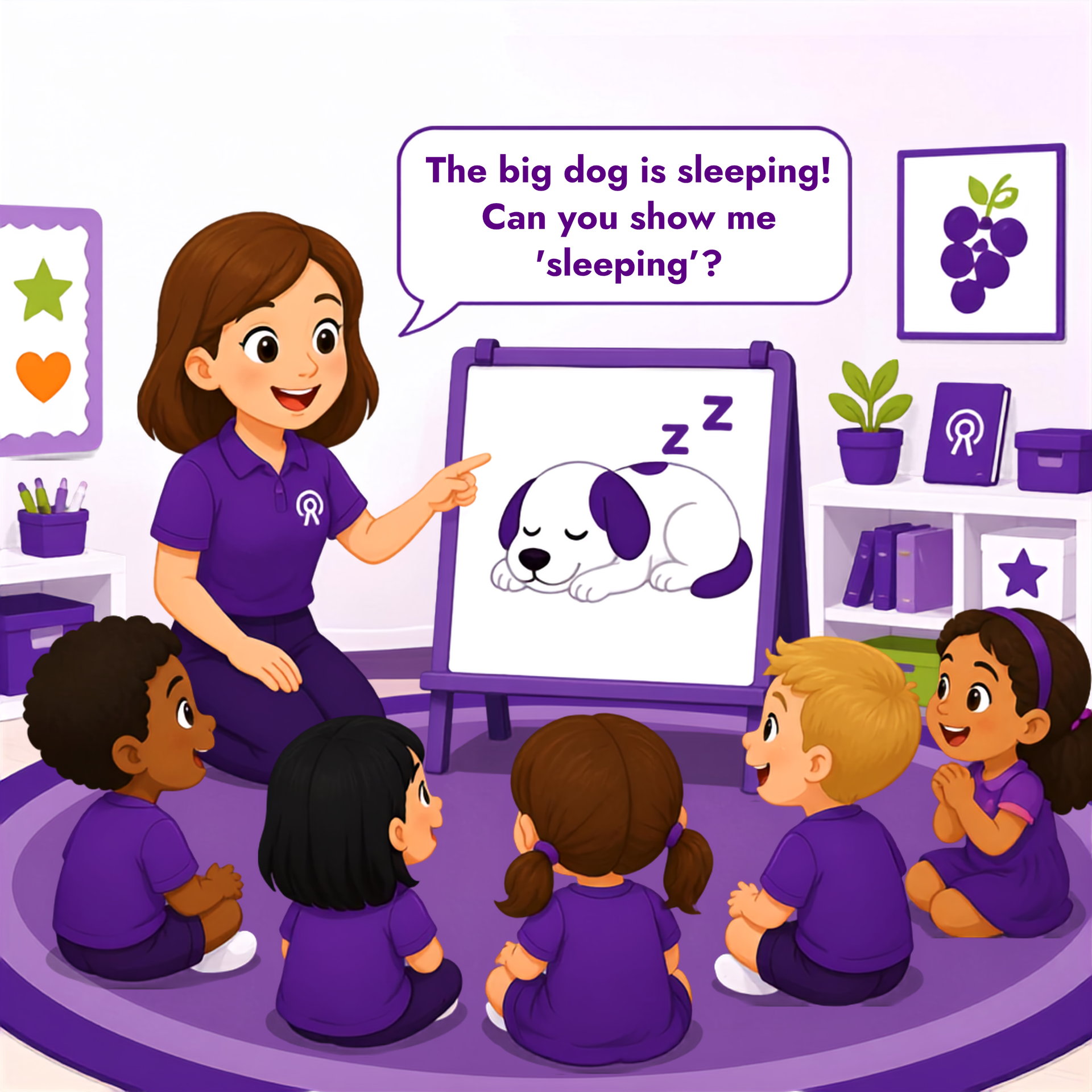
In today’s classrooms, elementary school teachers juggle countless responsibilities—planning engaging lessons, managing behavior, communicating with families, and differentiating instruction for every learner. Fortunately, Artificial Intelligence (AI) is opening up a world of support tools that can help educators reclaim valuable time while still meeting the diverse needs of their students. Lesson Planning, Simplified AI tools and other educator-focused platforms can generate customized, standards-aligned lesson plans in minutes. Whether you're teaching reading comprehension, performing science experiments, or developing math centers, AI can help you brainstorm activities, create differentiated tasks, and suggest formative assessments—all tailored to your students’ grade level and learning goals. Behavior Intervention Plans Made Easier Creating thoughtful, individualized behavior intervention plans (BIPs) often requires collaboration and time that’s hard to find. With the right prompts, AI can assist by generating plan templates, suggesting positive reinforcement strategies, and even helping you write goal-specific language that’s clear and professional. This allows for quicker implementation and better support for student growth. Boosting Communication with Families Need to send home a weekly newsletter, a classroom update, or a quick note in family-friendly language? AI can help you write clear, respectful, and engaging messages in seconds—and even translate them into multiple languages. This promotes stronger school-home connections without adding to your workload. More Than Just Words AI isn’t just about writing. It can generate visual aids, adapt texts for different reading levels, offer creative ideas for classroom themes, or even draft rubrics and anchor charts. When used responsibly, AI becomes a teaching assistant in your pocket—offering fresh ideas and saving you time. A Word of Caution—and Empowerment AI isn’t a magic wand, and it doesn’t replace the care, creativity, and wisdom that teachers bring to the classroom. But when used thoughtfully, it can remove some of the mental load and help you focus on what matters most: building relationships, inspiring learners, and making a lasting impact. AI can be a game-changing tool for educators—not by replacing the human touch, but by enhancing it. With the right approach, you can use AI to create, communicate, and collaborate more efficiently—without sacrificing quality. Just as AI can support teachers in the classroom, GrapeSEED does the same. From intentionally designed lesson plans to materials at your fingertips, to a results driven, joy filled curriculum for your language learner students, GrapeSEED has it all. Click here to learn more !
Show More