Less Pressure, More Language

Supporting Neurodivergent Learners Through Language


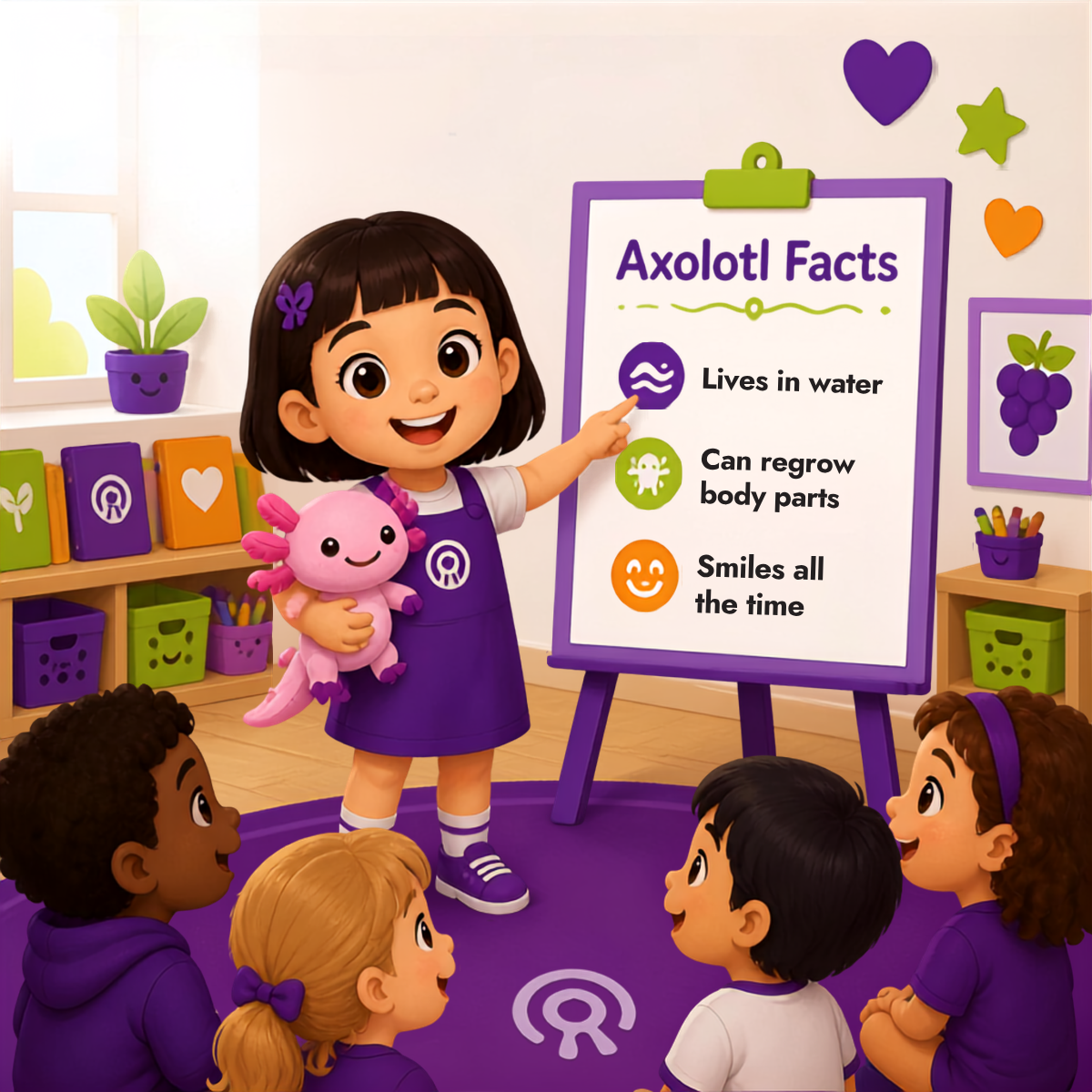
If you’ve ever had a student who knows each dinosaur that ever roamed the earth or more facts about axolotls than most biomedical researchers, yet somehow forgets where they put their pencil…welcome to the early elementary school classroom! 


Every school is filled with students who think, communicate, move, process, and learn in different ways. Some may be neurodivergent, meaning their brains process information and experience the world differently from what is considered typical. Neurodivergence can include autism, ADHD, dyslexia, dyspraxia, and other differences in learning, attention, communication, and sensory processing. 


And here’s the important part: neurodivergent does not mean “less capable.” It simply means the path to learning may look a little different. 


So…What Might It Look Like? 


In an early elementary classroom, neurodivergence might show up as difficulty following multiple-step directions, making eye contact, transitioning between activities, or expressing ideas verbally. A student might understand far more than they can communicate. Another may speak fluently but struggle with back-and-forth conversation. Some students may become overwhelmed by noise, unexpected changes like fire drills or school assemblies, or too much stimulation. 


Teachers may also notice differences in how students respond to questions, participate in groups, use language, interact with peers, or demonstrate what they know. 


The trick is not to immediately ask yourself, “How do I make this student act like everyone else?”, but “What can I change about the learning environment so this student can participate successfully?” 


Start With Language, Without the Pressure 


For many young learners, especially those who are developing English or have communication differences, a strong oral-language foundation can be incredibly valuable. But oral language development doesn't have to mean sitting in a circle while the teacher fires questions at children like a game-show host. In fact, some of the best language learning happens when children don't realize they're “doing language.” 


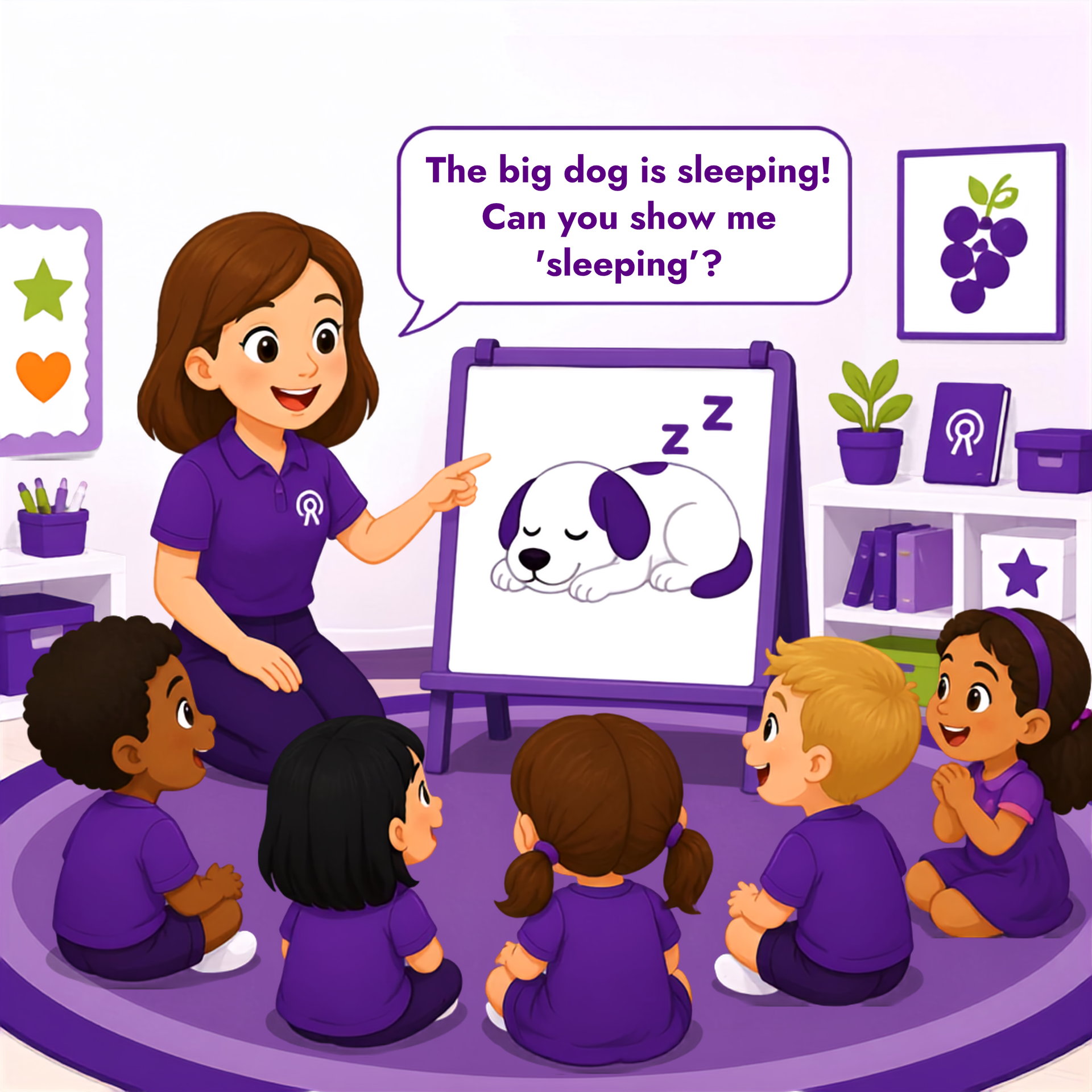
Think songs, movement, gestures, silly stories, repetition, predictable routines, picture-supported conversations, acting things out, and playful questions! Rather than, “Everyone must answer this question in a complete sentence.”, try something like “Show me! Point to the big dog. Now—what is the dog doing?” or even “The big dog is sleeping. Can you show me sleeping?”  


Suddenly, the student who wasn't ready to say the sentence can still demonstrate understanding. And that matters! 


Think low-stakes and more opportunities to communicate! Fun, low-pressure language activities give children multiple ways to participate. They can point, gesture, move, repeat, choose, act, draw, listen, sing, or speak, without a right-or-wrong answer staring them down. 

Think language input first, performance later! For neurodivergent learners, the goal shouldn't always be immediate verbal performance. First, build understanding. Build vocabulary. Build connections. Build routines. Build confidence. 


A child who can point to the correct picture today may be ready to name it tomorrow. The child who echoes a phrase today may use it independently next week. The student who watches quietly during a song today may suddenly join in when the words become familiar. 


Those little moments are big moments. 


The early elementary classroom doesn't need to be a place where every brain learns in exactly the same way. 

It can be a place where language is joyful, participation is flexible, mistakes are expected, and every child gets plenty of chances to say: 

“I have something to communicate—and my teacher is ready to listen.” 


And honestly? That's an amazing classroom for everyone


If this article resonated with you, GrapeSEED might be JUST what you’re looking for! 


Learn More Here
September 3, 2026
Ready or not... the new school year is here!
August 17, 2026
The first few weeks of school have always mattered, but this year they may be more important than ever!
#BackToSchool2026 #ClassroomCommunity #StudentBelonging #SEL #DifferentiatedInstruction #StudentEnga
August 3, 2026
The first few weeks of school have always mattered, but this year they may be more important than ever!
May 25, 2026
Kindergarten is a big step in a child’s learning journey. It’s a time of exciting growth, discovery, and new routines. For families and educators of PreK and Young 5s children—including multilingual learners—preparing for this transition can help set the stage for a confident and joyful start to school. What Does “Kindergarten Ready” Mean? Kindergarten readiness is more than knowing letters and numbers. It includes a wide range of skills that help children feel safe, connected, and capable in a classroom environment. These skills include: Social & Emotional Skills : Can your child follow directions, express emotions, take turns, and ask for help? Language & Communication : Are they comfortable speaking and listening, even in their home language? Early Literacy & Math : Can they recognize some letters, numbers, and perhaps write their name? Motor Skills : Can they hold a pencil, use scissors, and manage clothing zippers or buttons? Supporting Multilingual Learners Children who speak more than one language bring unique strengths to the classroom! Here’s how we can support them: Honor Their Home Language : Encourage families to keep speaking and reading in their home language. A strong foundation in one language supports learning in English. Build Vocabulary : Use real-life experiences—grocery shopping, playing at the park, cooking—to teach and repeat new words in both languages. Create a Welcoming Environment : Use visuals, gestures, and routines that help all children understand and participate.  Simple Ways to Prepare at Home Read Daily : Share books in any language. Talk about the pictures and ask questions. Practice Routines : Try morning and bedtime routines similar to what they’ll experience in kindergarten. Talk Often : Describe what you’re doing, ask open-ended questions, and give your child time to respond. Play Together : Board games, pretend play, puzzles, and outdoor play build thinking and social skills. A Partnership Between Home and School Kindergarten readiness is a team effort. When teachers and families work together—especially in support of multilingual learners—children gain the confidence to thrive. Each child develops at their own pace, and readiness is not about perfection, but progress. Let’s celebrate every small step on the path to kindergarten! At GrapeSEED, we’re all about supporting children as they develop and prepare for their own next steps in their education journeys. Learn more about us by clicking here and consider getting started today!
Show More