
Celebrating Teachers: Why Teacher Appreciation is Special and Unique in 2025

January 6th, 2026

In 2025, teacher appreciation has taken on an exciting new dimension. As we navigate through a rapidly evolving digital age, the role of teachers has become more crucial and multifaceted than ever before. Here’s why celebrating our educators this year is both special and unique:
- Digital Pioneers: Teachers today are not just educators but also pioneers of digital learning. They've seamlessly integrated technology into their classrooms, using tools like virtual reality and AI to create immersive learning experiences that captivate and engage students.
- Adaptability at its Best: The past few years have shown us the incredible adaptability of teachers. Whether transitioning from in-person to online classes or adopting hybrid teaching models, teachers have proven their ability to pivot and innovate, ensuring that learning continues uninterrupted.
- Champions of Personalized Learning: With the help of data-driven insights and educational technology, teachers are crafting personalized learning experiences. This approach caters to the unique needs of each student, fostering an environment where everyone can thrive at their own pace.
- Emotional Intelligence Leaders: Teachers today understand the importance of emotional intelligence in education. They are equipped to support the emotional and mental well-being of their students, creating a safe and nurturing space for learning.
- Creative Engagement: From gamified learning to interactive projects, teachers are continuously inventing new ways to make education fun and engaging. Their creativity inspires students to be curious and passionate about their subjects.
As we look to the future, the role of teachers will continue to evolve, but one thing remains constant: their unwavering dedication to shaping young minds. In 2025, we celebrate not just their adaptability but also their commitment to fostering a brighter future for all. Teacher appreciation today is a testament to their invaluable contributions to society and the endless possibilities they unlock for future generations.
At GrapeSEED, we are inspired by and appreciative of teachers who inspire, innovate, and ignite a love for learning! Are YOU ready to become a GrapeSEED teacher? Click here!
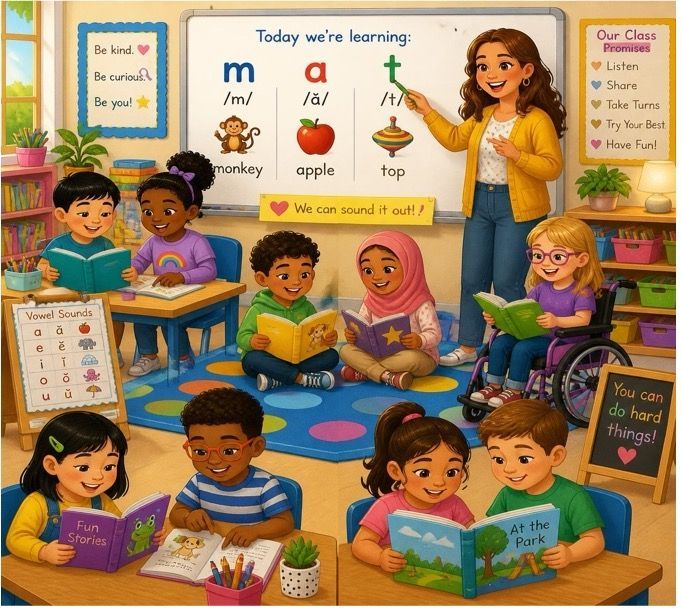
The new year is a perfect time for reflection and renewal—not just for us, but for our students, too. After a long winter break, January offers a natural opportunity to revisit and reinforce classroom routines and procedures, especially in multilingual classrooms where clarity and consistency are key to helping all students feel secure and successful. For multilingual learners, routines are more than just classroom management—they provide language-rich structures that support understanding, reduce anxiety, and foster confidence. Whether students are newcomers or have been learning English for years, a clear and predictable environment helps them focus on learning rather than guessing what’s expected. Start the month by gently reviewing procedures: entering the classroom, transitioning between activities, participating in group work, asking for help, and using classroom materials. Model each step and invite students to demonstrate, using visuals, gestures, and multilingual supports when possible. Pair verbal directions with pictures or sentence stems to help students connect words with actions. This not only aids comprehension, it builds community and shared responsibility. Remember, reviewing routines isn’t about enforcing rules—it’s about resetting the tone for a peaceful, productive, and joyful classroom. Make space for students to share what helps them learn best and celebrate the positive habits they already bring with them. By investing time in January to revisit expectations with warmth and intention, you're setting the stage for a second half of the school year filled with growth, laughter, and learning—for every student, in every language.

In today’s classrooms, elementary school teachers juggle countless responsibilities—planning engaging lessons, managing behavior, communicating with families, and differentiating instruction for every learner. Fortunately, Artificial Intelligence (AI) is opening up a world of support tools that can help educators reclaim valuable time while still meeting the diverse needs of their students. Lesson Planning, Simplified AI tools and other educator-focused platforms can generate customized, standards-aligned lesson plans in minutes. Whether you're teaching reading comprehension, performing science experiments, or developing math centers, AI can help you brainstorm activities, create differentiated tasks, and suggest formative assessments—all tailored to your students’ grade level and learning goals. Behavior Intervention Plans Made Easier Creating thoughtful, individualized behavior intervention plans (BIPs) often requires collaboration and time that’s hard to find. With the right prompts, AI can assist by generating plan templates, suggesting positive reinforcement strategies, and even helping you write goal-specific language that’s clear and professional. This allows for quicker implementation and better support for student growth. Boosting Communication with Families Need to send home a weekly newsletter, a classroom update, or a quick note in family-friendly language? AI can help you write clear, respectful, and engaging messages in seconds—and even translate them into multiple languages. This promotes stronger school-home connections without adding to your workload. More Than Just Words AI isn’t just about writing. It can generate visual aids, adapt texts for different reading levels, offer creative ideas for classroom themes, or even draft rubrics and anchor charts. When used responsibly, AI becomes a teaching assistant in your pocket—offering fresh ideas and saving you time. A Word of Caution—and Empowerment AI isn’t a magic wand, and it doesn’t replace the care, creativity, and wisdom that teachers bring to the classroom. But when used thoughtfully, it can remove some of the mental load and help you focus on what matters most: building relationships, inspiring learners, and making a lasting impact. AI can be a game-changing tool for educators—not by replacing the human touch, but by enhancing it. With the right approach, you can use AI to create, communicate, and collaborate more efficiently—without sacrificing quality. Just as AI can support teachers in the classroom, GrapeSEED does the same. From intentionally designed lesson plans to materials at your fingertips, to a results driven, joy filled curriculum for your language learner students, GrapeSEED has it all. Click here to learn more !

If you’ve ever looked at your lesson plans and thought, “There’s no way I can fit all this in,” you’re not alone. Teachers today face an ever-growing list of standards, assessments, and initiatives, all while striving to create joyful, meaningful learning experiences for young children. The struggle is real! So how can we honor curriculum expectations without overwhelming ourselves or our students? Read on for ideas and strategies! Start with What Matters Most Not everything carries equal weight. Identify the skills and concepts your students truly need to succeed, both academically and developmentally. Prioritize depth over breadth when possible. A well-understood concept is more valuable than one that’s been rushed and checked off a list. Integrate Across Subject Areas Look for ways to blend content. A science lesson can include reading comprehension. A writing activity can connect to social studies. Integration allows for richer, more efficient learning and saves time while deepening student understanding. Protect Time for Play, Talk, and Joy Children learn best when they are engaged and emotionally connected to content. Carve out time for class discussions, movement, and creative exploration. These “non-academic” moments often bring about the deepest learning and are critical for social-emotional development. Be Realistic, Not Perfect It’s okay if not every lesson goes as planned or every objective is met on the first try. Focus on consistent growth, not perfection. Trust your professional judgment. After all, you know your students best. Support One Another Collaboration is key. Talk with teammates about what’s working, what can be scaled back, and how to share the load. A balanced curriculum starts with a balanced teacher, and that balance often comes from working together. Remember, you aren’t just covering content, you’re helping to shape children’s lives. When we prioritize purposeful, joyful learning over packing it all in, we give students (and ourselves) what truly matters most.. To learn how GrapeSEED English for Children saves teachers time so that they can focus on what is important, click here today!

What is inevitable in most schools across the United States? Standardized testing! And for our English Language Learner students, there is no getting around it... standardized tests are nonnegotiable. So, what is the challenge for elementary teachers and administrators? Striking the right balance. The key to that balance is preparing children for these assessments without completely tossing out developmentally appropriate instruction AND without creating anxiety. Why Preparation Matters While standardized tests might not capture the full range of our students' growth, they do influence school accountability, placement decisions, and even the allocation of funding and other resources. So, we prepare our students…not by ‘teaching to the test’, but by giving them the skills that they need to feel comfortable and confident during testing time. Multilingual learners, especially, benefit when we scaffold their testing experience, making sure they understand test formats, directions, and strategies, so they can truly show what they know. Ready for a few practical test prep ideas? Let’s dig in! Meaningful and Age-Appropriate Strategies 1. Build Familiarity Through Routine Incorporate test-like questions into regular classroom activities in a low-stakes way. Use short passages, multiple-choice questions, and timed activities that mimic test conditions, without the pressure. 2. Focus on Language and Concept Development ELL students need time to develop academic vocabulary and comprehension skills. Embed test-related language (e.g., “main idea,” “infer,” “evidence”) into their daily instruction in ways that make sense contextually. 3. Use Play and Movement For younger learners, active learning helps reinforce skills. Try review games, partner quizzes, or station rotations. These help students internalize content and practice test-taking skills in an engaging, age-appropriate format. 4. Practice Metacognition and Self-Talk Teach simple test-taking strategies like rereading the question, eliminating wrong answers, and checking work. Model “think alouds” to show how good test-takers reason through tricky questions. 5. Support Emotional Readiness Let students know that tests are just one way to show learning. Create a calm, encouraging classroom culture that frames testing as a chance to “show what you’ve learned,” not a judgment on their worth or ability. A Final Thought for Administration Administrators play a vital role in ensuring that multilingual learner teachers are supported with training, resources, and realistic expectations. Providing carved out time for your teachers to focus on standardized test readiness and making room for differentiated assessments, shows your support and commitment. When done thoughtfully, preparing your students for testing time can reinforce key skills, boost their confidence, and ensure that every student…especially our multilingual learners…have a fair chance to succeed. Are YOU looking for the best way to support your multilingual learner students? Then YOU’RE looking for GrapeSEED! Click here to learn more.